
Your setting
Plan where cut timber should go. Describe fallen limbs from a safe position.

Describe the damage and connect with independent professionals for the next step.
 FROM ROOT TO
CROWN
FROM ROOT TO
CROWN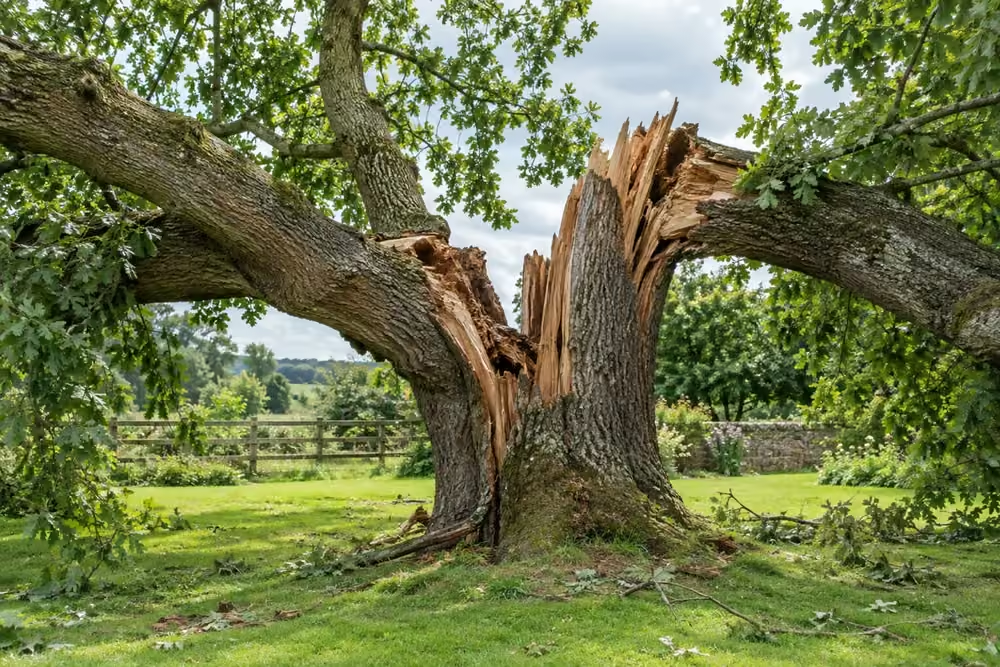
Plan where cut timber should go. Describe fallen limbs from a safe position.
Explain which paths need to be usable again. A written scope gives both sides a clear reference.
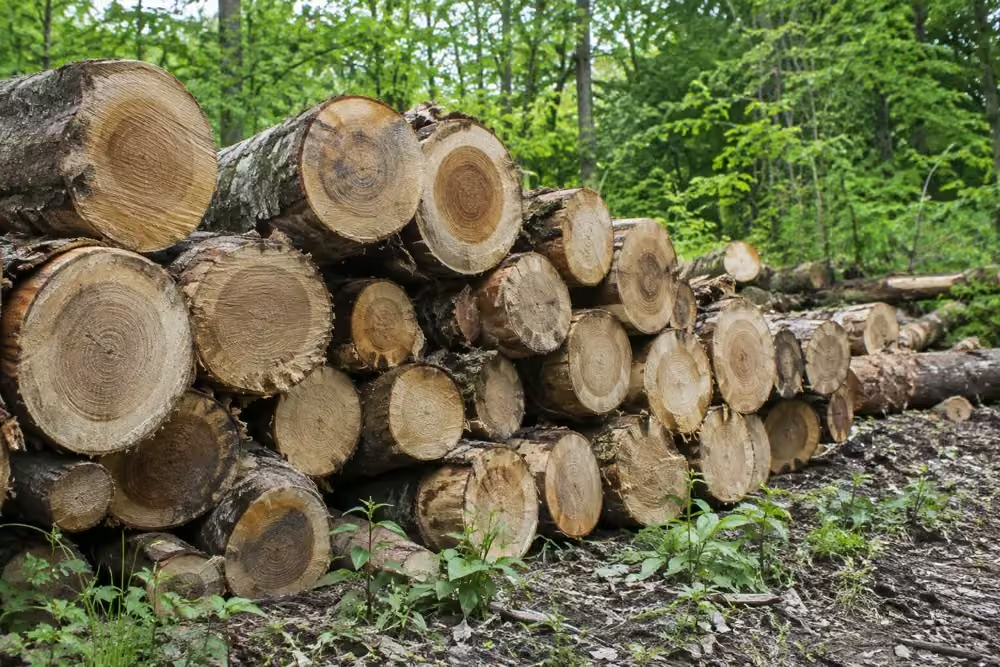
Plan where cut timber should go.
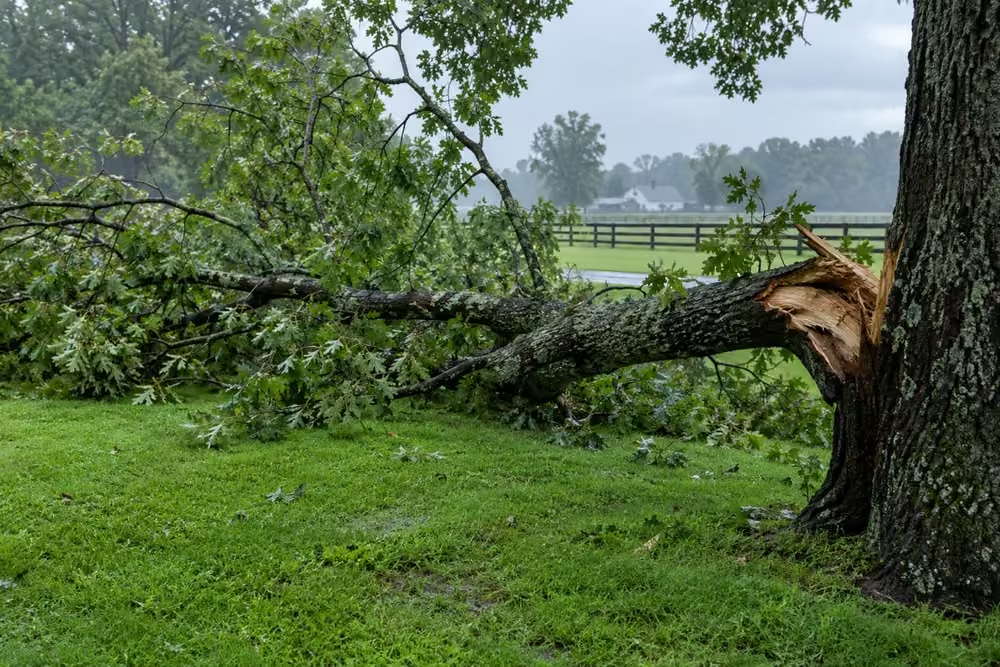
Describe fallen limbs from a safe position.
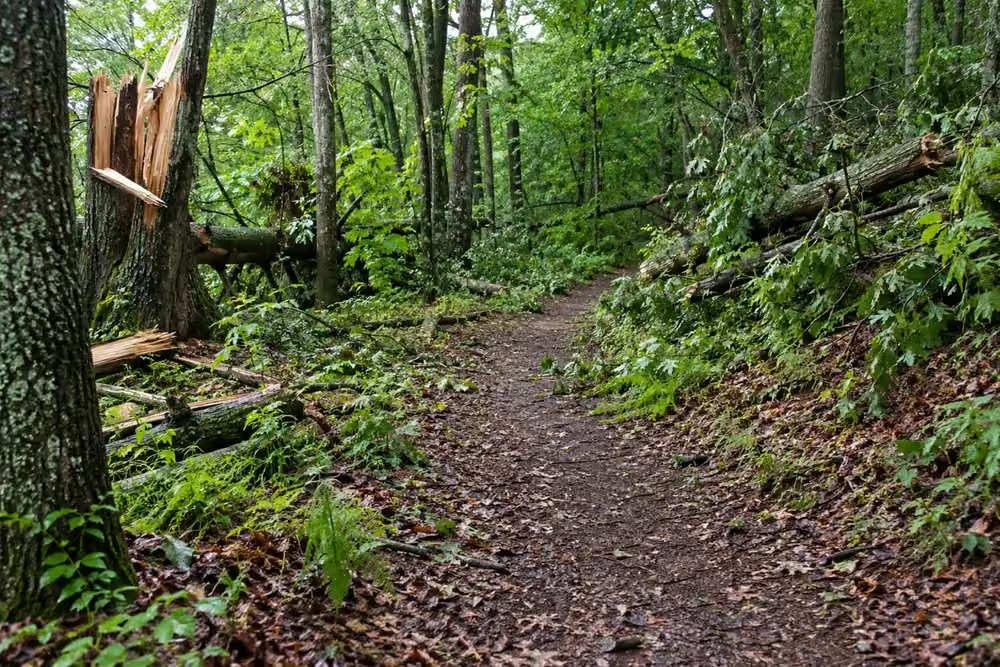
Explain which paths need to be usable again.
Explain what the damaged tree is resting on and which routes are affected. Let the professional determine the method on site.
A focused brief helps avoid assumptions.

Photograph the area from a safe position and explain what concerns you.

Describe gates, paths, slopes and the surfaces that need protection.

Set out your preferred finish so it can be included in the quote.
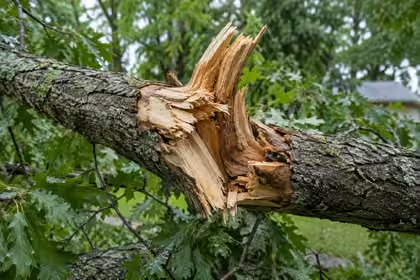
Share visible storm damage without entering the affected area.
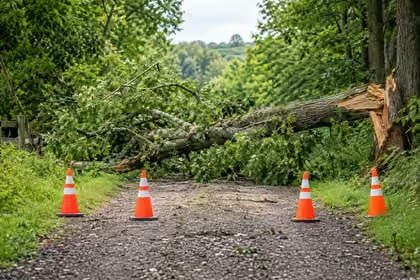
Describe blocked routes and what the damaged tree is resting on.
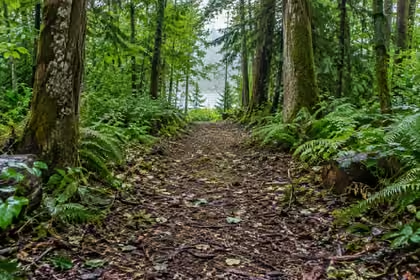
Agree how branches and timber will be handled after assessment.
Bring the important details together before choosing who will do the work.

Describe fallen limbs from a safe position.
Explain which paths need to be usable again.
Choose the level of detail that fits your project. Independent professionals confirm the final scope and quote.
Every setting is different. Access, tree condition and the agreed finish determine the final price.
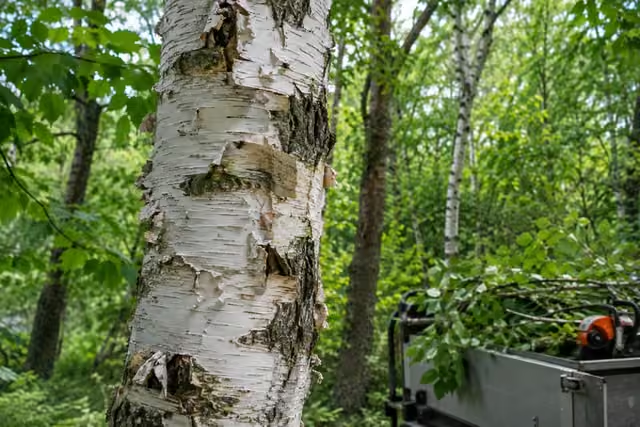 CLEAR QUESTIONS
Describe visible damage, blocked routes and what the tree is resting on. Only take photographs from a safe position.
The appointed professional assesses the setting and determines the method. Share changes you have noticed since the damage occurred.
Agree which branches and logs will leave the site, where materials can be placed and which routes need to be clear.
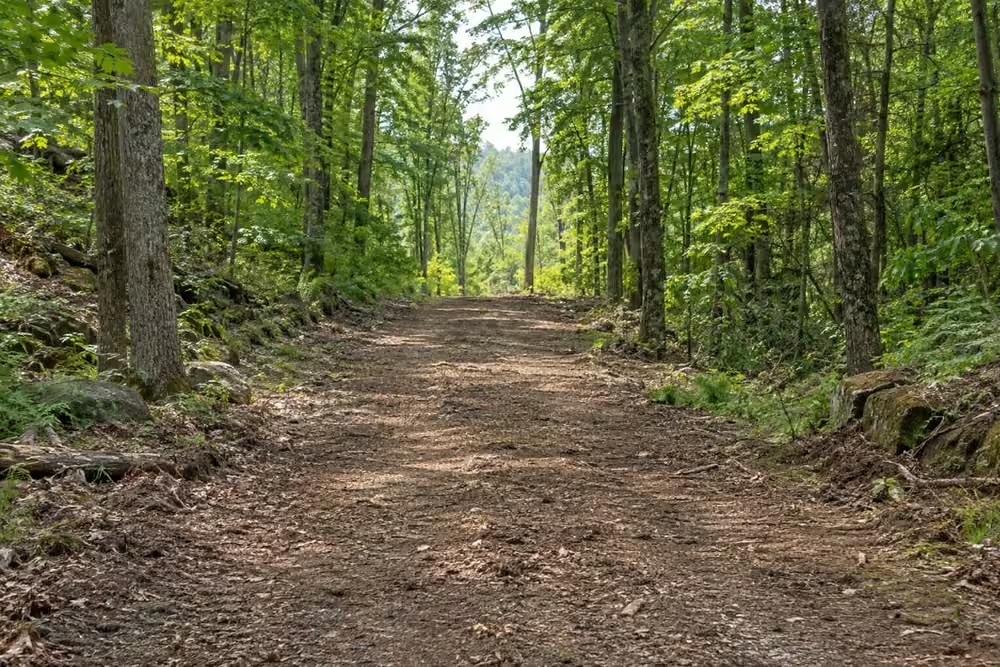
Put your storm damage request into words.