
Your setting
A clear route for equipment. Explain what sits beneath the canopy.
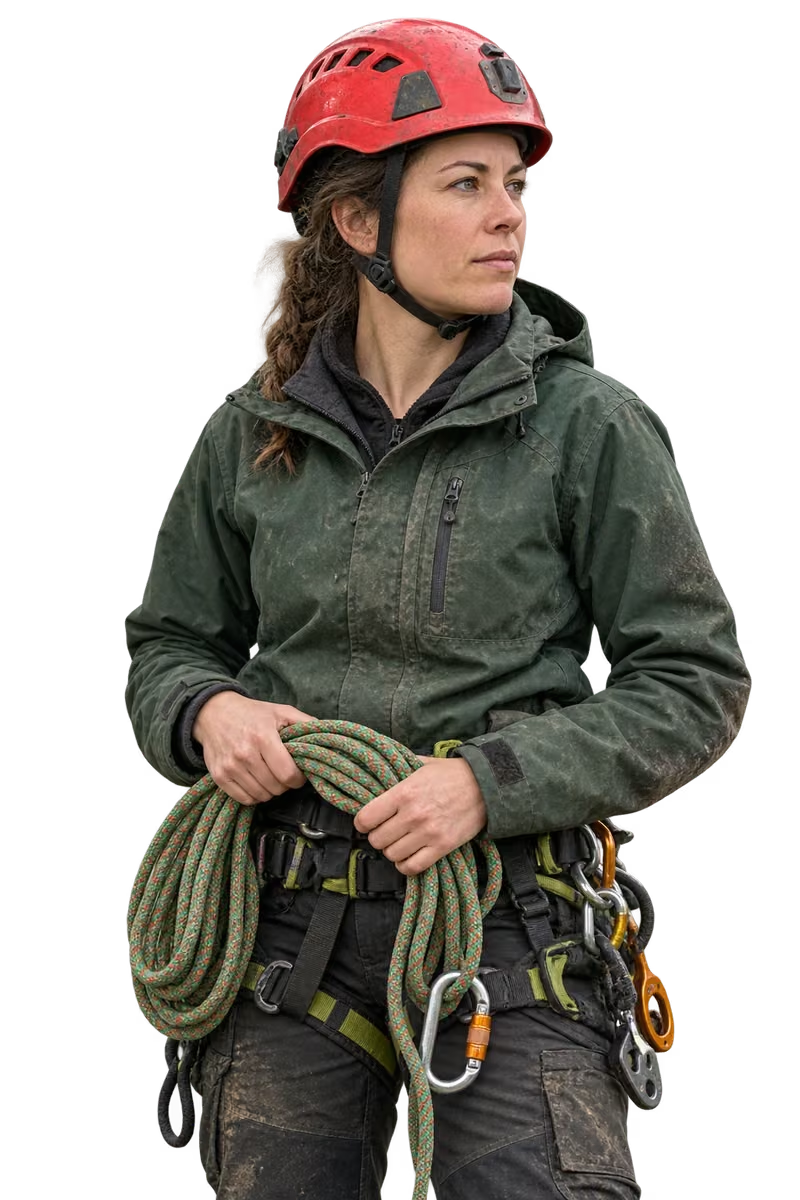
A considered approach to trees, access and everything that needs protecting.
 FROM ROOT TO
CROWN
FROM ROOT TO
CROWN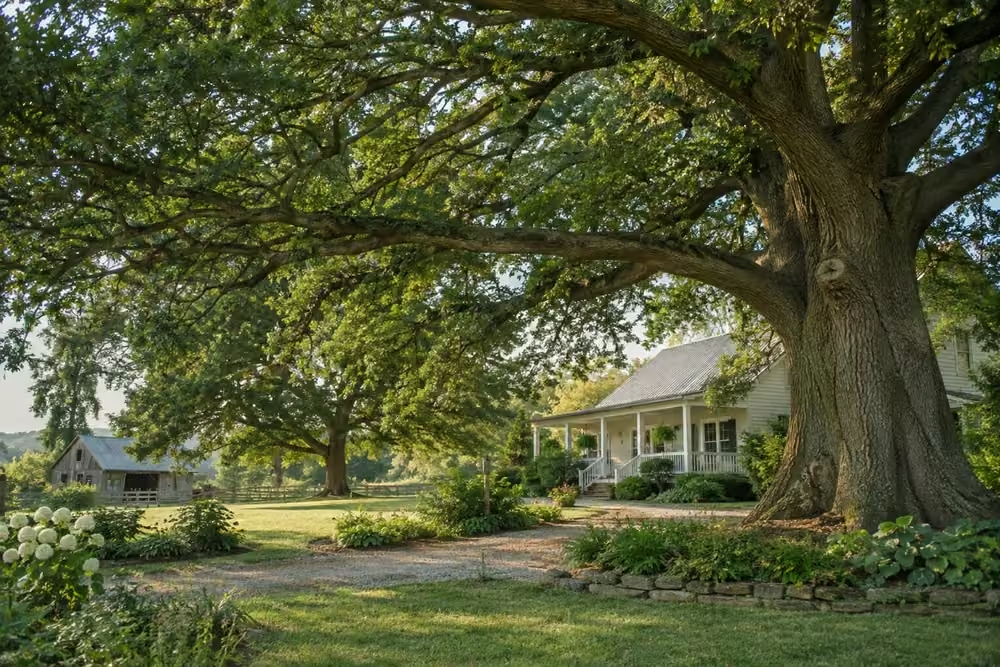
A clear route for equipment. Explain what sits beneath the canopy.
Decide which cut wood should stay. A written scope gives both sides a clear reference.
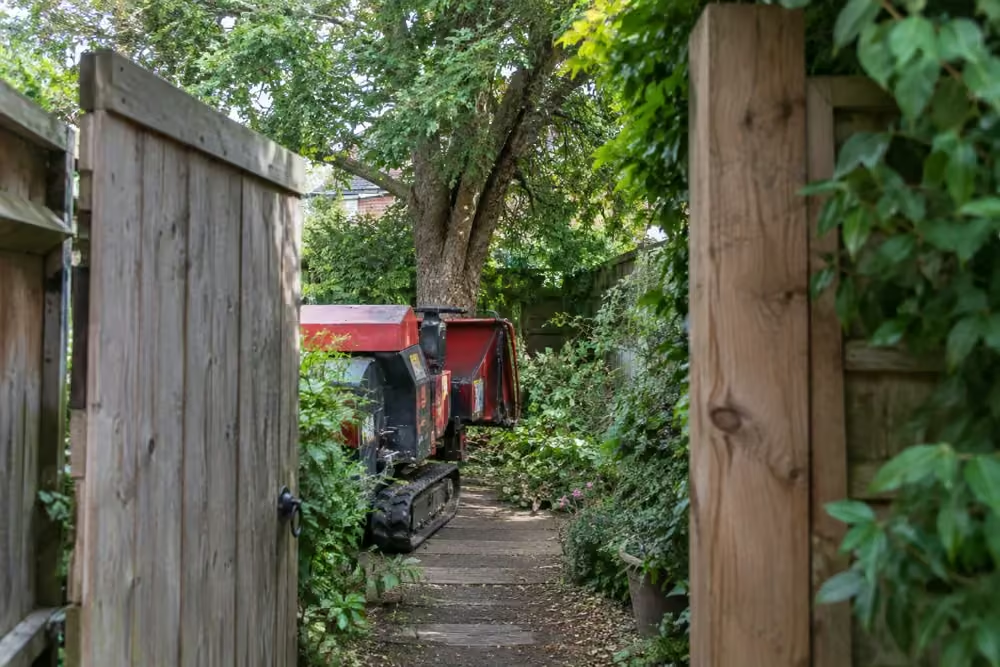
A clear route for equipment.
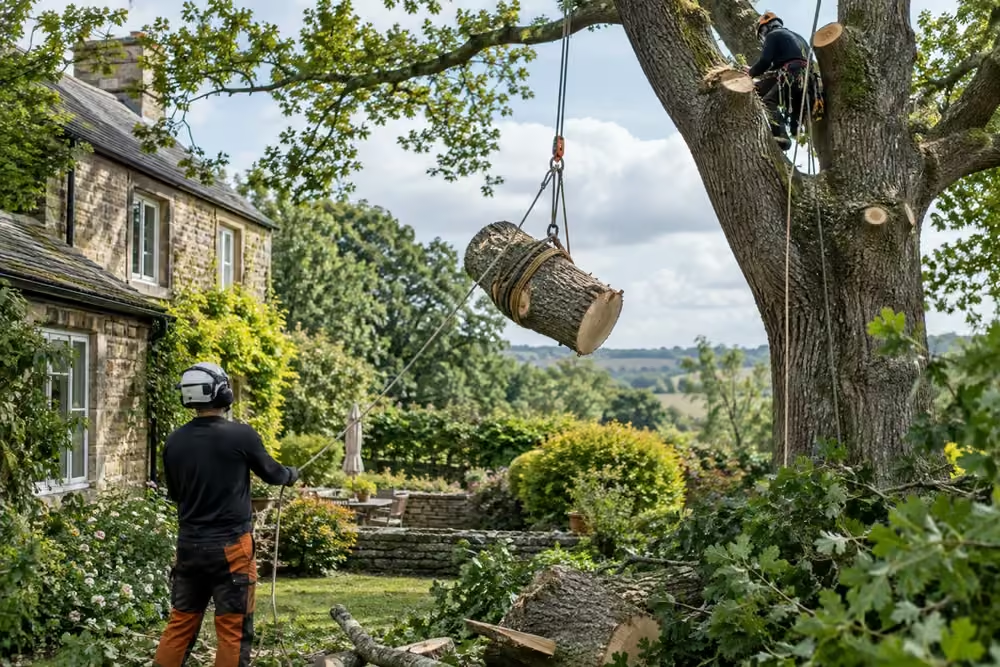
Explain what sits beneath the canopy.
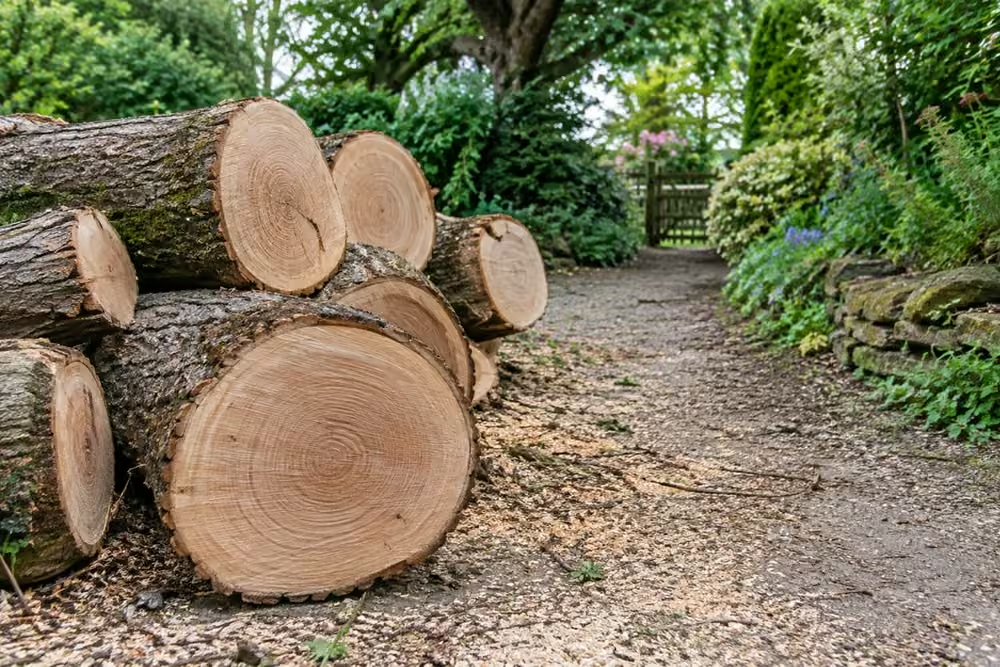
Decide which cut wood should stay.
Be clear about the trees, paths and structures that should stay untouched. The removal plan should account for all of them.
A focused brief helps avoid assumptions.

Photograph the area from a safe position and explain what concerns you.

Describe gates, paths, slopes and the surfaces that need protection.

Set out your preferred finish so it can be included in the quote.
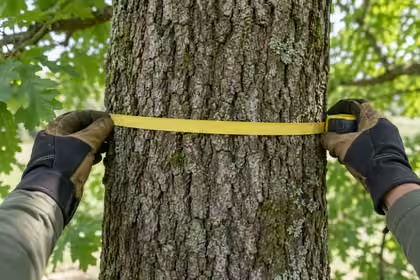
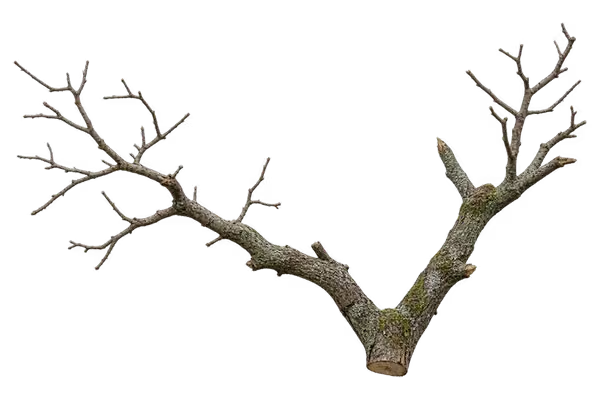
Describe the canopy, nearby buildings and the space below.
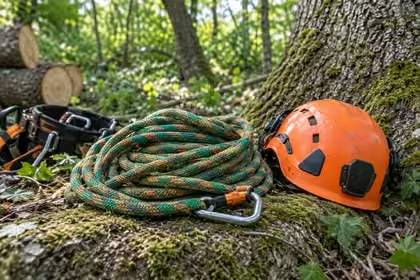
Discuss controlled lowering and where cut sections can land.
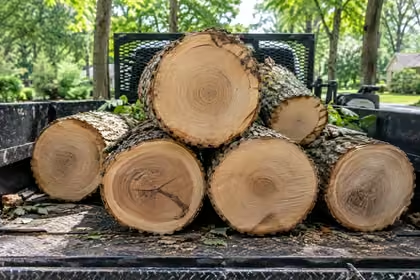
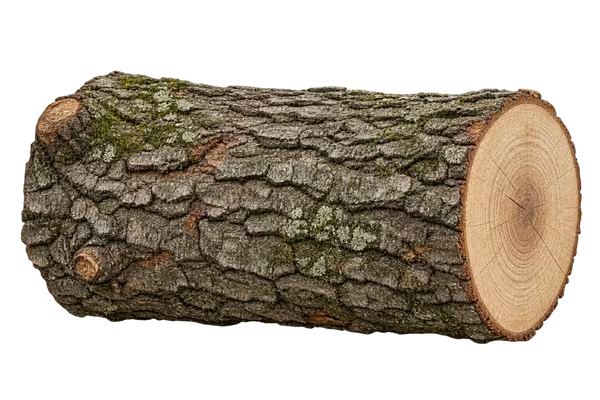
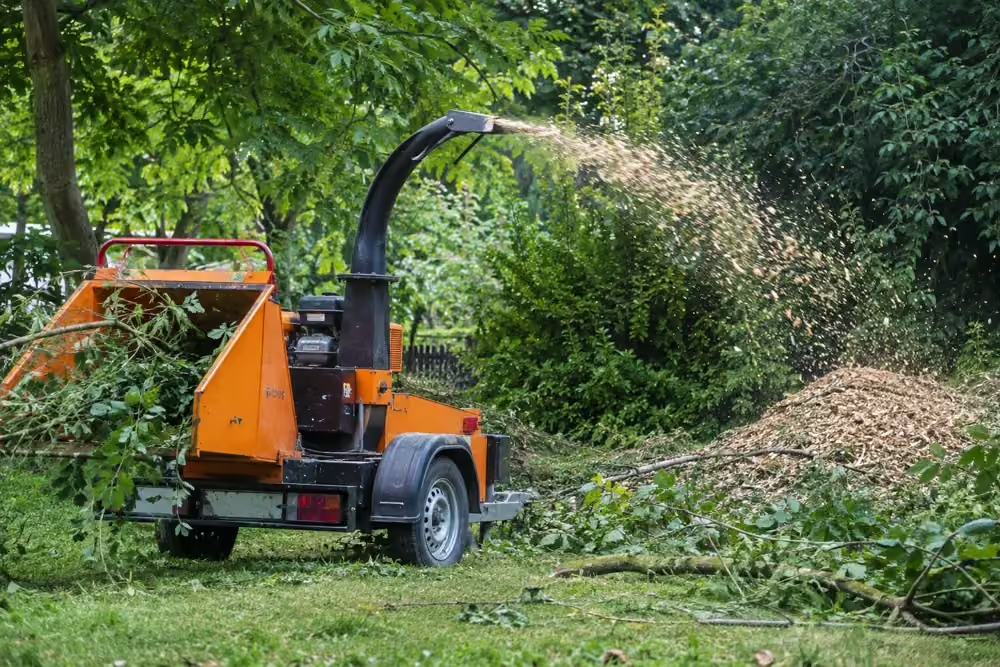
Agree whether logs remain, chips leave and surfaces are cleared.
Bring the important details together before choosing who will do the work.

Explain what sits beneath the canopy.
Decide which cut wood should stay.
Choose the level of detail that fits your project. Independent professionals confirm the final scope and quote.
Every setting is different. Access, tree condition and the agreed finish determine the final price.
 CLEAR QUESTIONS
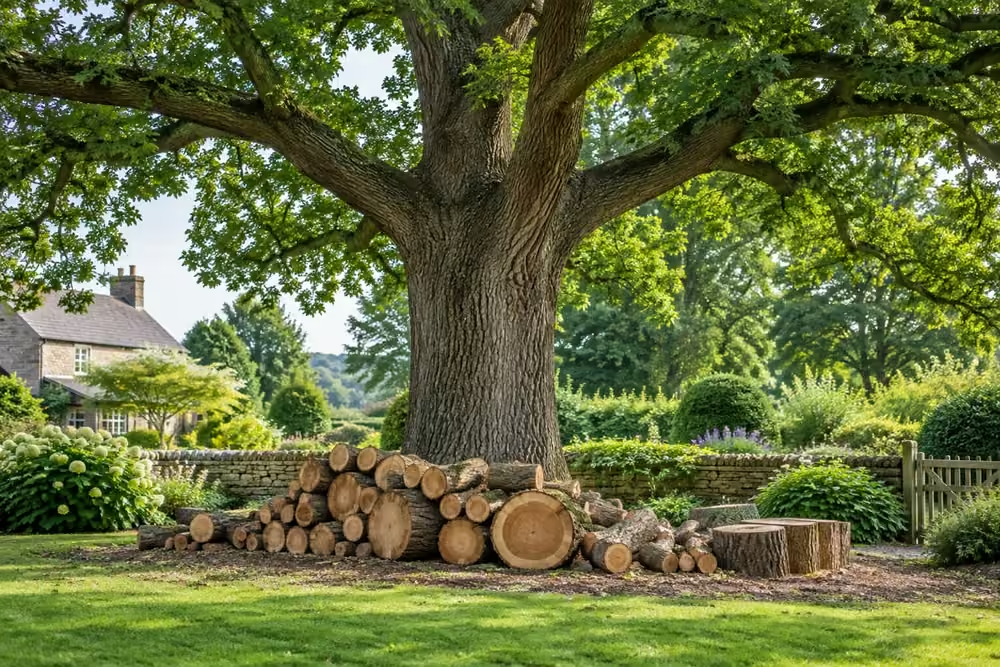
Ask whether logs will be stacked, cut to a usable size or taken away. Include your preference in the agreed scope.
Describe gate widths, slopes and surfaces. The professional can assess how equipment and timber can move through the site.
Clarify branches, sawdust, stump treatment and surface cleanup separately so the final result is understood.
Put your tree removal request into words.